
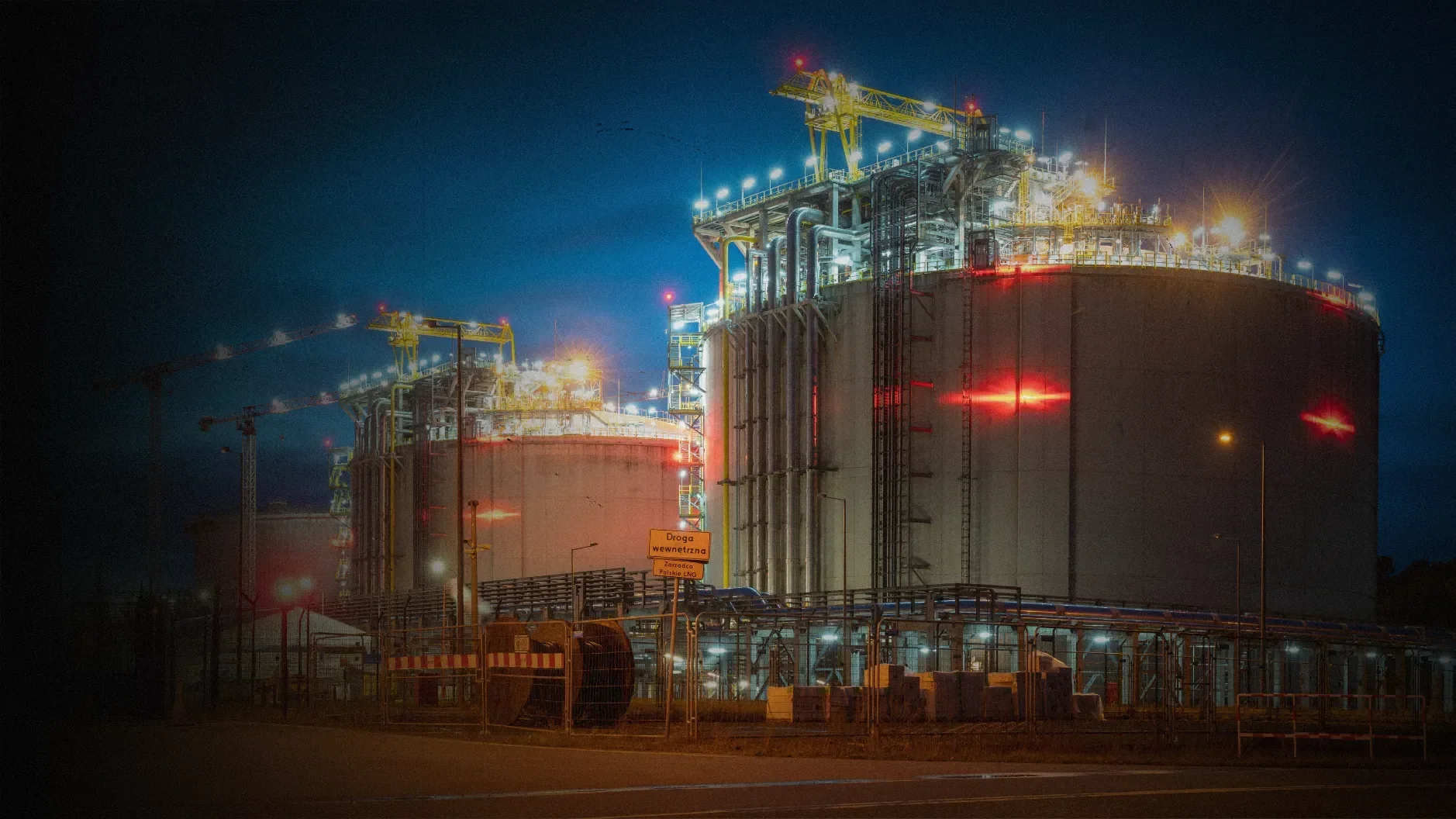
LNG INFRASTRUCTURE
Composite pipe systems for LNG infrastructure
Enoflex enables a simpler LNG pipeline, using reeled composite pipe to reduce installation complexity and improve project economics.
THE APPLICATION
Enoflex has qualified a flexible Single Polymer Composite (SPC) pipe for Shell for use in LNG terminals. It provides a lighter, faster-to-install alternative to conventional steel pipework.
One of the first application is for recirculation lines, carrying a continuous flow of cryogenic LNG out to the far end of the terminal pipework and back to the tank between cargo transfers, keeping the pipework at a constant low temperature, around minus 162°C, and avoiding the thermal cycling that otherwise causes stress on joints and pressure loss.
CRYOGENIC COMPOSITE FOR LNG
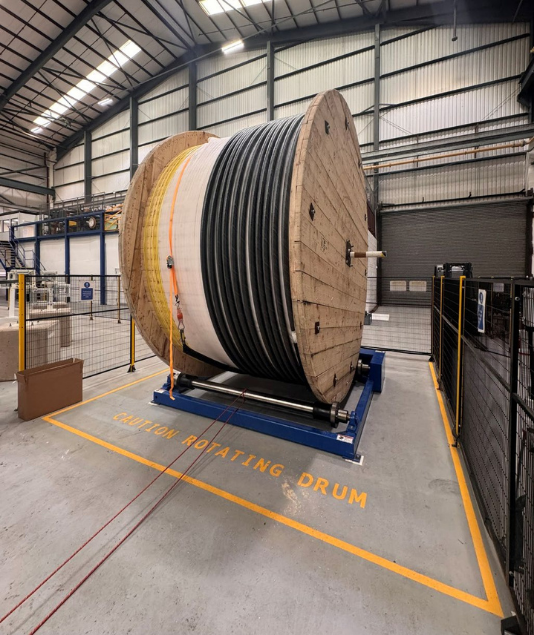
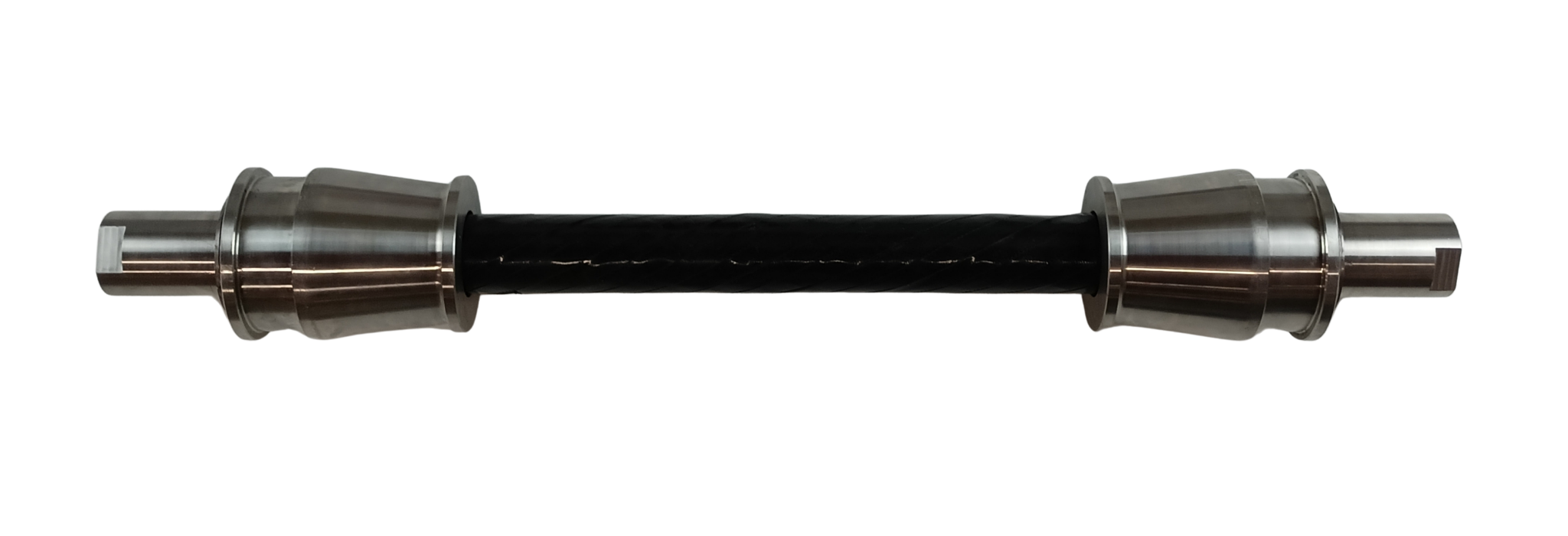
Enoflex supplies SPC composite pipe for LNG re-circulation and vapour return, in a pipe-in-pipe architecture that removes on-site welding and expansion loops from the installation. The pipe is pulled through from a reel rather than built up section by section.
WHY COMPOSITE

Fewer installation steps
Reel-pulled pipe-in-pipe removes on-site welding entirely.

No expansion loops
Low thermal expansion means the pipe run doesn't need to accommodate movement the way steel does.

Corrosion resistant
Non reactive to sea water and working fluids including LNG, with no cathodic protection or alloy selection burden

Lightweight handling
Easier and faster to install than steel sections.
USE CASES
✔ LNG terminal recirculation lines
✔ Vapour return systems
✔ Pipe-in-pipe architecture for boil-off management
✔ Retrofit projects where welding access is constrained.
Projects


Shell
Joint Development Agreement to qualify composite pipe for LNG terminal applications
ITP Interpipe technical paper
Documents the application and economic case.
TECHNICAL RESOURCES
Have an LNG re-circulation or vapour return challenge?
Request Cryoreel® technical information for your system.
APPLICATIONS

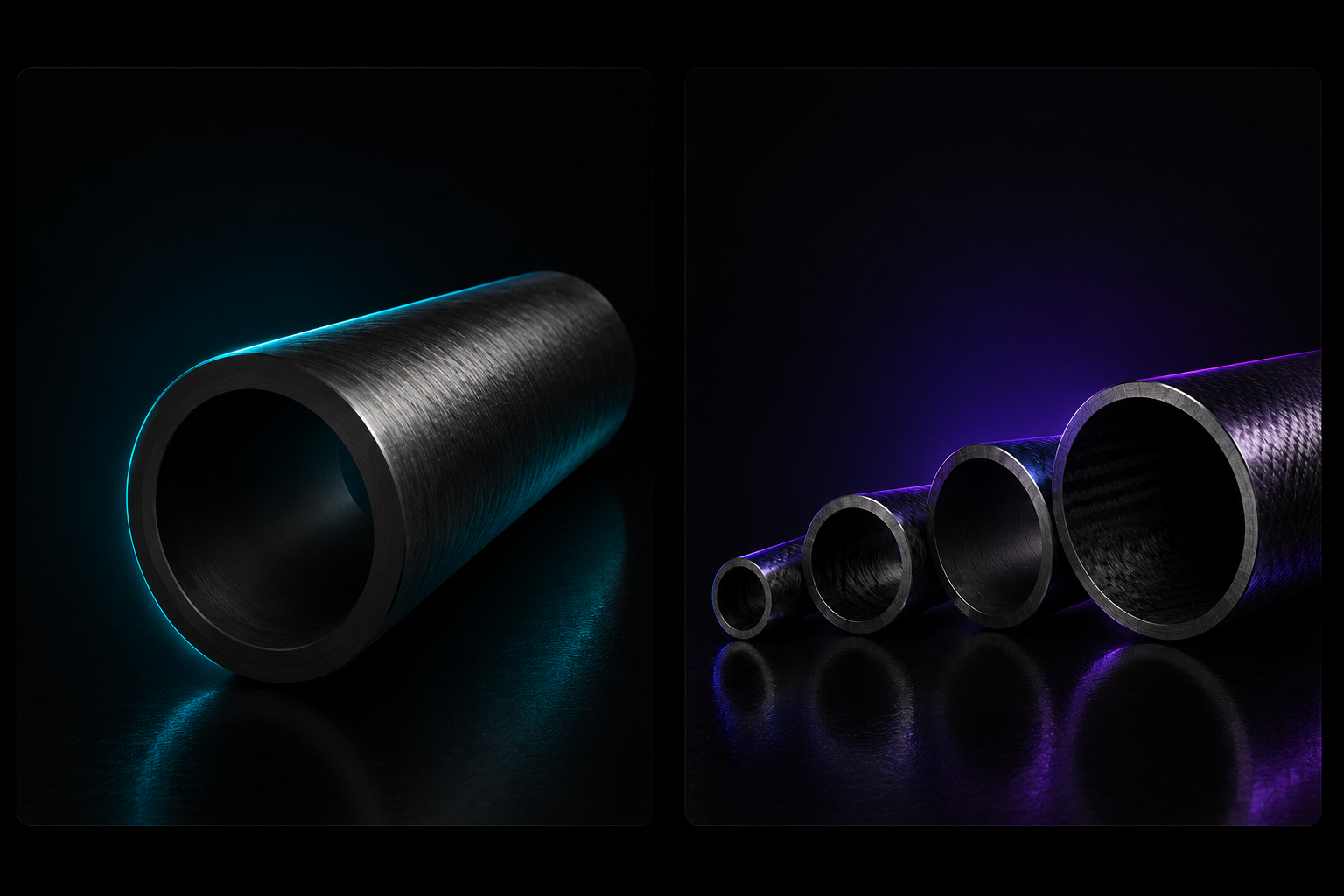
Composite cryostat for cooling and former for HTS cable at -196°C.
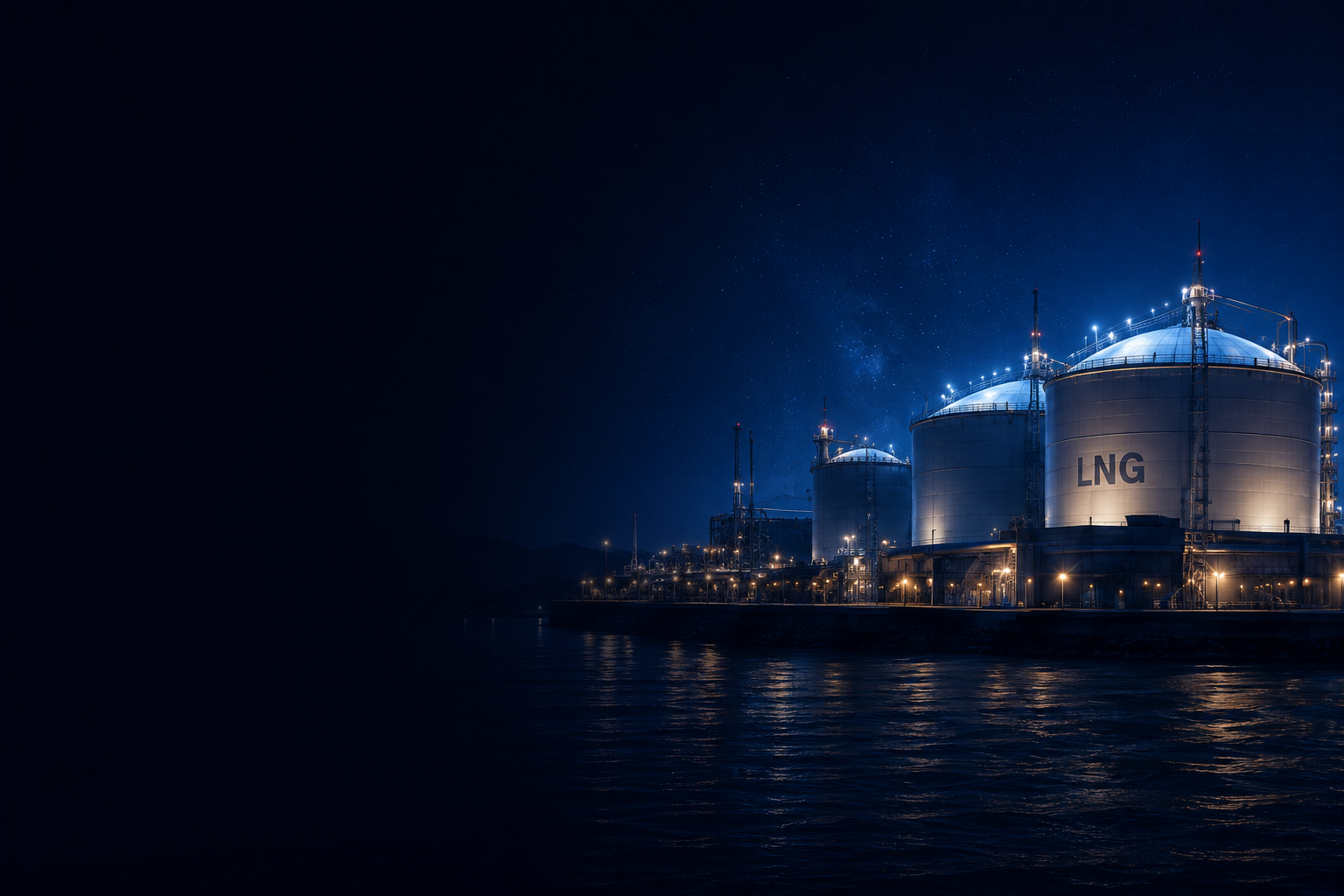
Composite LNG terminals and pipeline at -162°C.
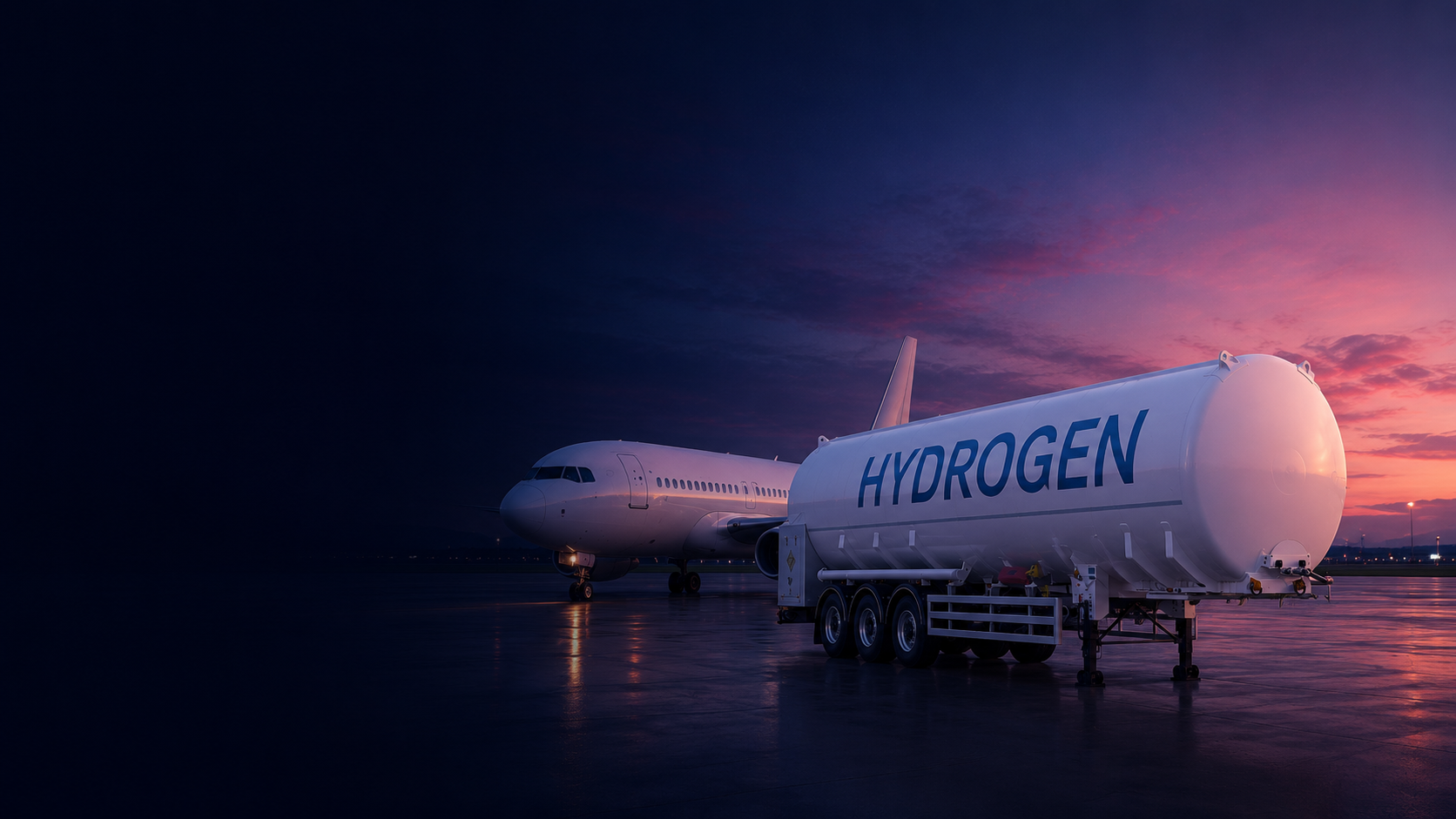
Lightweight composite pipe for liquid hydrogen fuel systems at -253°C.