
THERMOPLASTIC PIPE TECHNOLOGY
CryoReel® composite cryogenic pipe
Composite pipe engineered for extreme-temperature infrastructure, combining smooth bore, low thermal movement, low weight and reel deployment

-
CryoReel® is manufactured from thermoplastic composite materials developed to Enoflex’s unique specifications. We have the option to include carbon-fibre for high pressure applications.
-
The pipe is built additively. A thermoplastic sheet is rolled into a cylindrical liner and continuously laser-welded to create a smooth, leak-tight bore with no internal liner joint.
-
Layers of composite material are added to achieve the optimum combination of strength, pressure resistance and flexibility.
-
Steel end connectors are factory-fitted and tested before the pipe leaves Southampton, so there is no on-site welding at installation.
Enoflex selects composite materials engineered for the challenging environments found in liquid and gas energy transfer.
Tough at cryogenic temperatures.
As a result of our R&D we hold patents for the design and manufacture of cost-effective pipe that has multiple advantages for cryogenic applications.
Our design uses long, unidirectional fibres combined in a matrix of the same polymer to produce a high-strength tape. The tape is fused in layers using lasers in Enoflex's precision manufacturing process, then spooled onto transportation or installation reels.
WHAT IT IS
Single Polymer Composite (SPC)
SPC pipe performs across a wide range, from ambient to cryogenic applications. The pipe has a fully bonded structure and smooth bore and low co-efficient of thermal expansion for robustness during thermal cycling. Fibre angle can be adjusted to optimise flexibility, stiffness and strength.
THERMOPLASTIC COMPOSITE-CF
Made from carbon fibre and high performing thermoplastics from the aerospace industry. This gives best in class pressure resistance for the most demanding structural applications. The pipe has a fully bonded structure and smooth bore and low co-efficient of thermal expansion for robustness during thermal cycling. Fibre angle can be adjusted to optimise flexibility, stiffness and strength.
SHARED ADVANTAGES
Enoflex manufactures composite pipe for cryogenic fluid transport, using a patented laser additive composite process. The same underlying capabilities serves superconducting power, LNG infrastructure and liquid hydrogen aviation.

Smooth bore
Lower pressure drop than corrugated steel


Low thermal expansion
~3x lower thermal contraction
Lightweight
~3x lighter than steel
Reel-deployable
No on-site welding

Cryogenic performance
-162°C to -253°C and beyond
APPLICATIONS

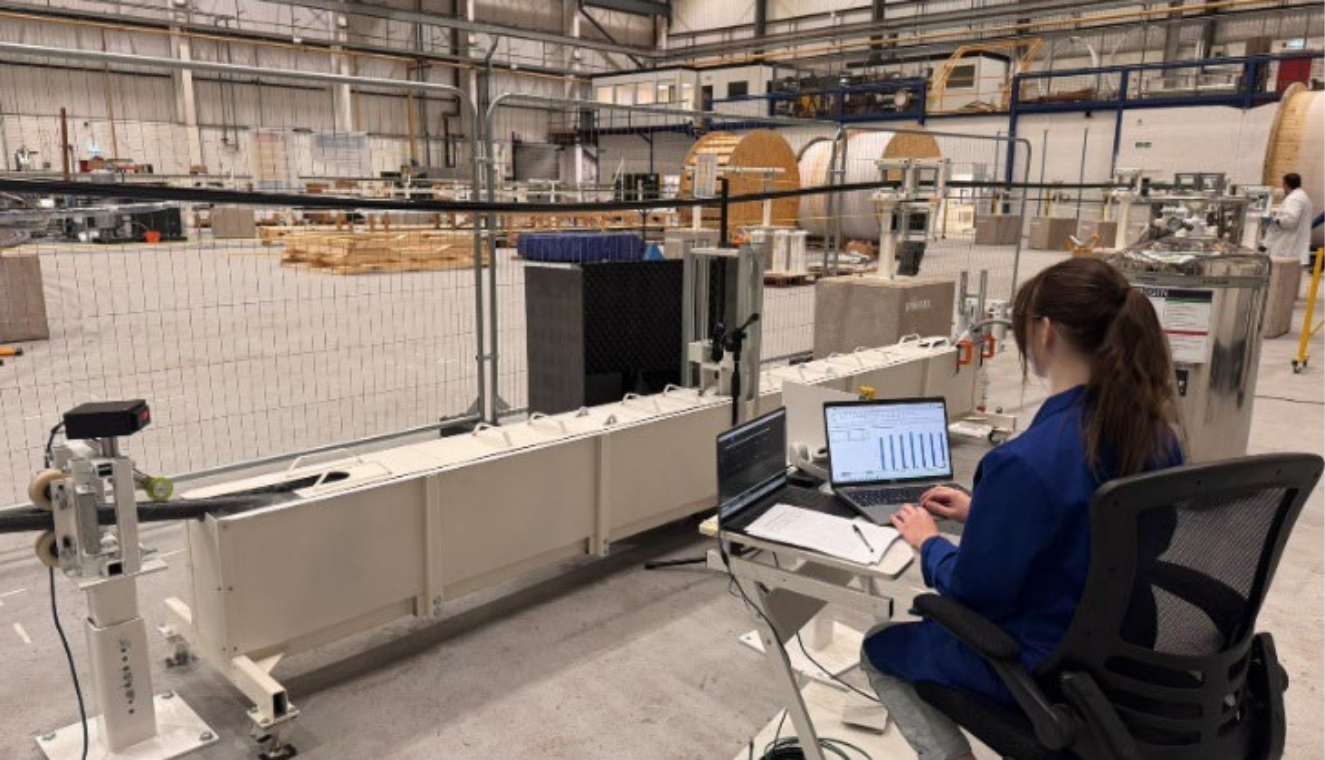
Composite cryostat for cooling and former for HTS cable at -196°C.
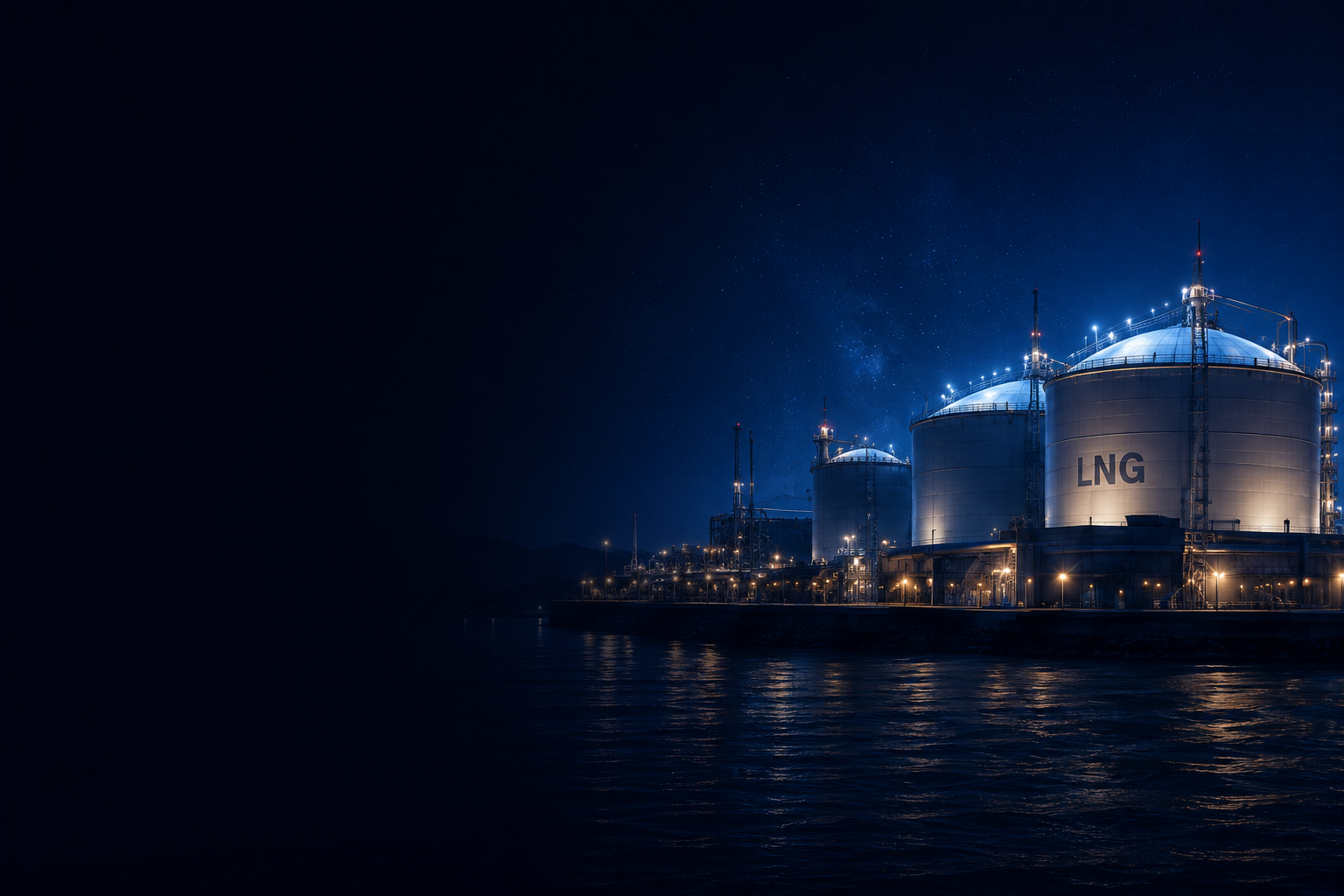
Composite LNG terminals and pipeline at -162°C.
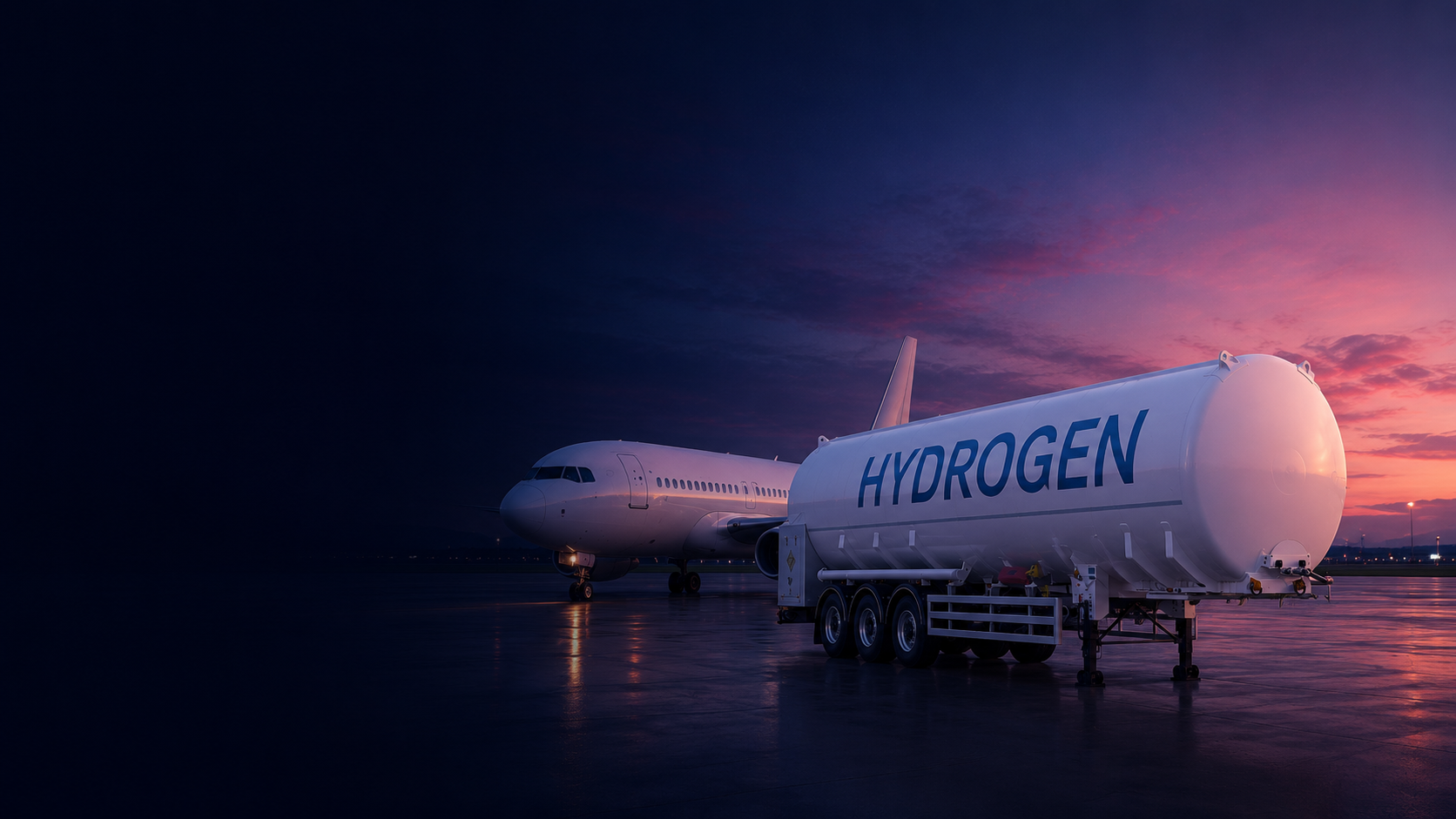
Lightweight composite pipe for liquid hydrogen fuel systems at -253°C.